




























 080019889
 service-bg@krono-shop.com

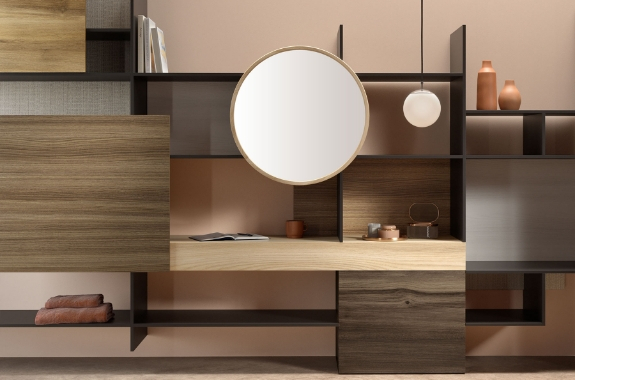
Hallway design 101: Flooring, walls and finishing touches
The hallway is the first and last impression of a home, yet it's not talked about enough! With this blog we're placing the highlight on the hallway - flooring, walls, durability, style.

Hallway Makeover
Why this matters
In this blog, we'll walk you through everything you need to create a hallway that's both beautiful and built to last. We'll start by looking at why hallways deserve special attention in the first place - from heavy foot traffic to weather exposure. From there, we'll cover how to choose the right flooring, explore which wall solutions work best in high-traffic spaces, share practical tips for small or narrow hallways, and finish with style inspiration to help you find the look that fits your home.
Tips, design, inspiration
It's easy to think of the hallway as just a space to walk through - but in reality, it works harder than almost any other room in your home. Here's everything you need to know.
Why hallways deserve special attention
- It's a high-traffic zone
- It sets the tone for your entire home
- It's often narrow and tricky to design
- It's exposed to the outside world (Rain, mud, snow, and dust get tracked in from outdoors)


How to choose the right flooring
- Prioritize durability over everything else
- Choose waterproof (ROCKO technology) or good water-resistant (O.R.C.A. technology) flooring and materials
- Think about static and allergens - make sure the flooring you choose has
anti-static and anti-bacterial features and properties (we have such!)
Consider hygiene and easy to clean flooring


Which wall solutions work best
- Look for impact and scuff resistance
- Use panels to create a focal wall
- Match the panel finish to your flooring
- Don't ignore installation practicality


Practical tips for small or narrow hallways
Small hallways can feel open and welcoming with the right choices. Light-toned flooring, like sand oak or pale SPC decors, reflects light and visually widens the space, while horizontal panel or plank lines add width rather than length. Keep wall texture subtle - a bold 3D panel works best on a single accent wall rather than covering the whole corridor. Mirrors and good lighting help eliminate the "tunnel" effect, and built-in or recessed storage keeps the floor clear and sightlines uninterrupted. Try to keep flooring consistent between the hallway and adjoining rooms, and match skirting boards to your wall or floor tone for a seamless finish.

Colors and finish
Color choice depends heavily on natural light. In dark or windowless hallways, light wood-inspired tones - sand oak, beige, or white - reflect available light and keep the space feeling open. In well-lit hallways, deeper tones like anthracite or walnut can be used more freely, especially in built-in wall recesses paired with strong artificial lighting for a refined, elevated look. As a rule: the less natural light, the lighter your materials should be - the more light, the more room you have to go bold.With this, we invite you to create your own perfect hallway with KronoSHOP!

